
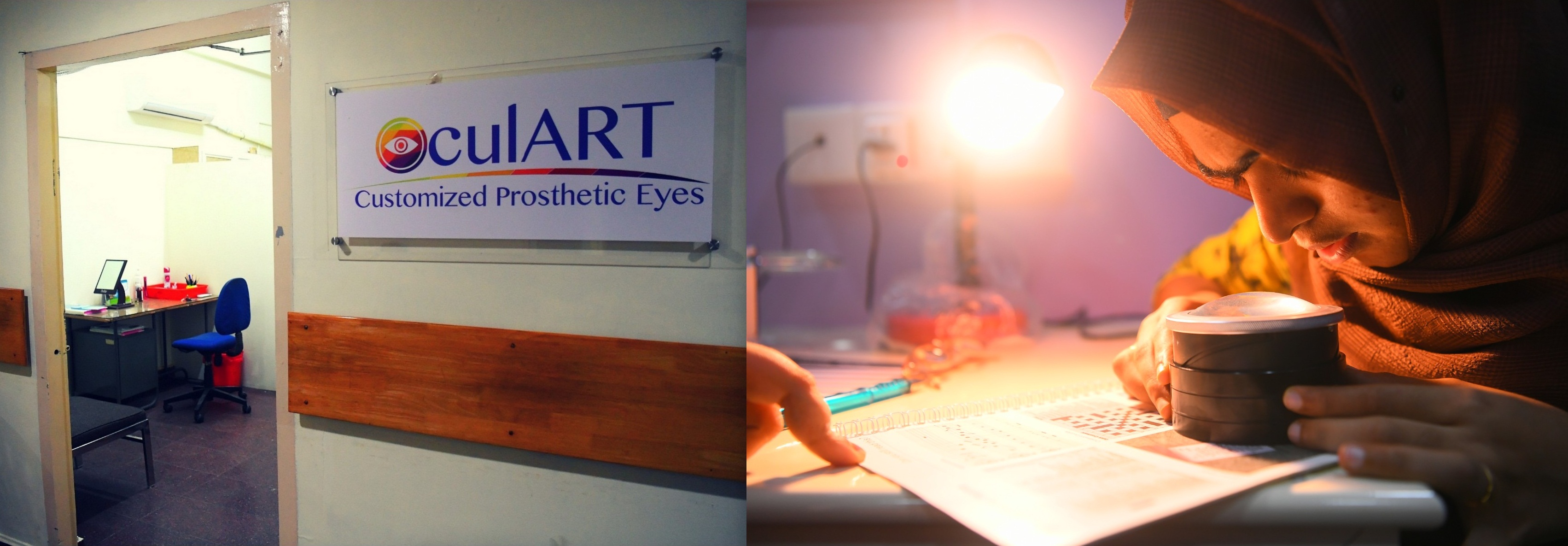
Ocular Prosthetic Clinic
The Ocular prosthetic clinic at chaithanya is one of its kind facility equipped with state of art facilities & know-how needed in the preparation of different types of ocular prosthesis & their implantation.
What is an Ocular Prosthesis?
An ocular prosthesis is an artificial eye used when an eye is lost due to trauma, surgery, cancer, or congenital conditions.
👨⚕️ Who is an Ocularist?
An ocularist is a trained professional who designs and fabricates custom ocular prostheses. Our experienced ocularists tailor each prosthesis to the individual patient.
📍 Where is the Prosthesis Fitted?
The prosthesis is placed behind the eyelids either over a shrunken eye or an orbital implant following eye removal surgery.
Various Ocular prosthesis available at CEHRI prosthesis clinic are:
1. Custom-Made Prosthesis
Individually crafted, hand-painted prostheses offering the best cosmetic results and comfort.
2. Scleral Shells
Thin shells placed over mildly shrunken eyes to improve cosmetic appearance.
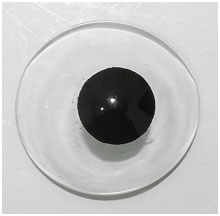
3. Stock Shells
Ready-made acrylic shells available in standard sizes, though color matching may be limited.
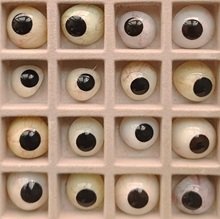
🛠 Maintenance of Ocular Prosthesis
Proper care and maintenance help extend the life of the ocular prosthesis. Mild discomfort may be experienced initially, but this usually settles as the patient adapts to the prosthesis.
✔ Do’s & ❌ Don’ts
1. Minimal Handling of the Prosthesis
- The prosthesis can be removed once a month for cleaning.
- Wash gently with soap and clean water, dry well, and refit.
- Patients can safely insert and remove the prosthesis themselves.
- Always sleep with the prosthesis in place.
- Frequent daily removal may cause discharge, watering, eyelid irritation, eyelid eversion, and poor socket fitting.
2. Use of Lubricating Eye Drops
- Lubricating drops provide a smooth surface for eyelid movement.
- They help wash away debris deposited on the prosthesis surface.
- Regular use improves comfort and reduces irritation.
3. Yearly Polishing & Long-Term Care
- Annual polishing helps maintain a smooth surface and rounded edges.
- This reduces friction between the eyelids and the prosthesis.
- Prevents inflammatory reactions such as socket granuloma and giant papillary reaction.
- Replacement of the prosthesis is recommended once every five years, depending on socket changes.
-
Wearing full-framed protective glasses is advised to:
- Protect the normal eye from injury
- Camouflage minor differences between the natural and prosthetic eye